
Textbook Question
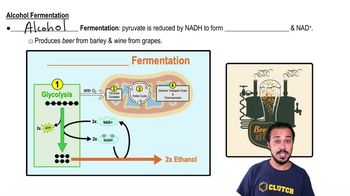
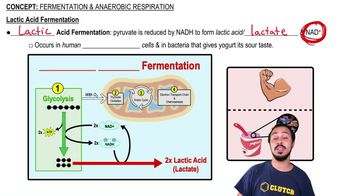
Food fermentations do all of the following except ________.
a. Give foods a characteristic taste
b. Lower the risk of food spoilage
c. Sterilize foods
d. Increase the shelf life of the food
921
views

 Verified step by step guidance
 02:02
02:02
 03:34 03:34
Food fermentations do all of the following except ________.
a. Give foods a characteristic taste
b. Lower the risk of food spoilage
c. Sterilize foods
d. Increase the shelf life of the food
Match each term with its correct definition.
1._______ Organisms whose presence in water indicates contamination from feces
2._______Refers to water that is fit to drink
3._______Used in the processing of animal wastes; mimics primary and secondary wastewater treatment
4._______Water that is not bound by solutes
5._______Undesirable fermentation reactions in food, leading to poor taste, smell, or appearance
6._______Brief heating of foods during processing
7._______Descriptor of the level of organic material present in wastewater
8._______Fermentative products produced by microorganisms during stationary phase
A. Spoilage
B. Water activity
C. Coliforms
D. Pasteurization
E. Secondary metabolites
F. Potable
G. BOD
H. Oxidation lagoon
Indicate whether the following statement is true or false. Rewrite the underlined phrase to make a false statement true.
______ Sauerkraut production involves the alcoholic fermentation of cabbage.
Commercially produced beers and wines are usually fermented with the aid of _______.
a. Naturally occurring bacteria
b. Naturally occurring yeast
c. Specific cultured bacteria
d. Specific cultured yeast
Intrinsic factors affecting food spoilage are properties of _______ rather than _______.
Label the steps in the cheese-making process.
<IMAGE>