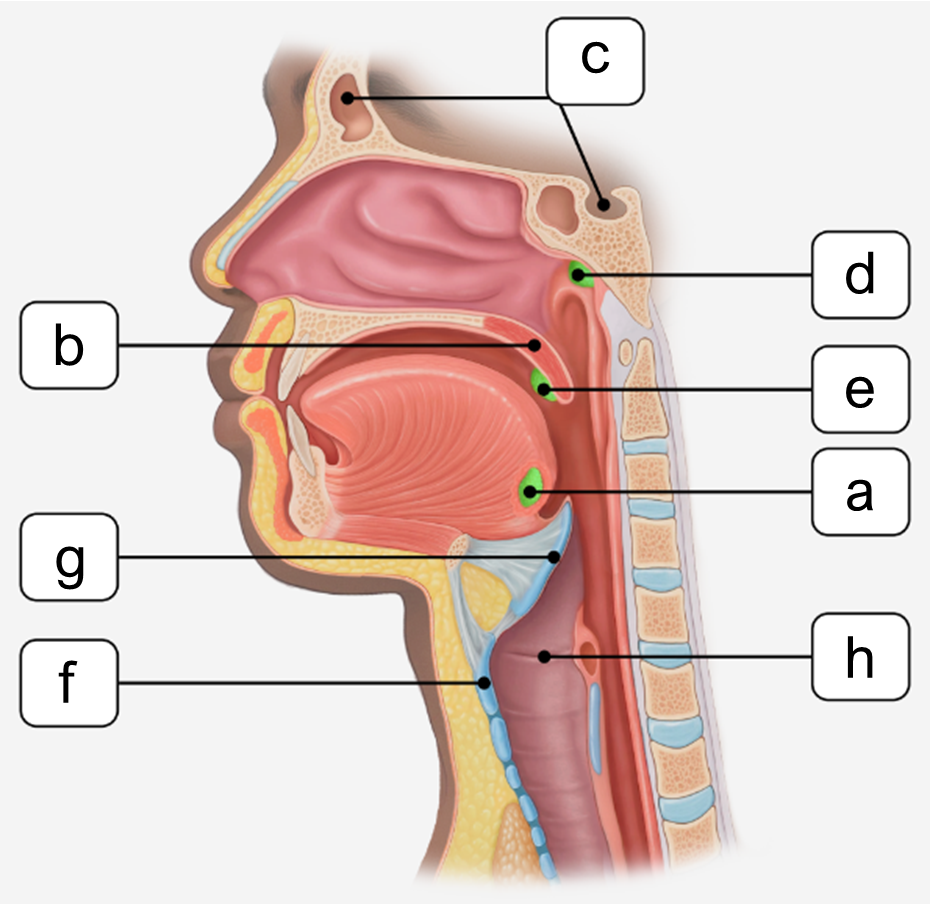
Respiration is the vital biological process that involves bringing oxygen into the bloodstream and transporting it to the body's cells. This process can be understood in three interconnected stages: ventilation, external respiration, and internal respiration. Ventilation refers to the physical act of breathing, which includes inhalation and exhalation. During inhalation, oxygen-rich air is drawn into the lungs, while exhalation expels carbon dioxide-rich air out of the lungs.
External respiration occurs at the interface between the lungs and the bloodstream. Here, oxygen from the inhaled air diffuses into the blood, while carbon dioxide from the blood diffuses into the lungs to be exhaled. This gas exchange is essential for maintaining the oxygen and carbon dioxide balance in the body.
Internal respiration takes place at the cellular level, where oxygen carried by the blood is exchanged with carbon dioxide produced by the cells. Oxygen moves from the bloodstream into the cells to support cellular metabolism, while carbon dioxide, a metabolic waste product, moves from the cells into the blood to be transported back to the lungs.
Understanding respiration as a sequence of ventilation, external respiration, and internal respiration highlights the continuous and coordinated exchange of gases necessary for sustaining life. This process ensures that oxygen reaches cells for energy production and that carbon dioxide is efficiently removed from the body.