The human body is organized into various organ systems, each consisting of groups of organs that work together to perform complex functions essential for survival and health. The integumentary system, which includes the skin, nails, and hair, primarily serves as a protective barrier and plays a crucial role in thermal regulation. The term dermato relates to skin, as seen in words like dermatologist, a specialist in skin health.
The skeletal system comprises bones, joints, and cartilage, providing structural support and protection. Key word roots include osteo for bone and arthro for joints, which are evident in conditions such as osteoporosis and arthritis. Movement is facilitated by the muscular system, which relies on muscle contraction; the roots myo and musculo refer to muscles.
Communication and control within the body are managed by the nervous system, involving the brain, spinal cord, and nerves. The roots neuro and spina relate to nerves and spine, respectively, highlighting terms like neurology. The cardiovascular system, including the heart, arteries, and veins, is responsible for transporting substances and removing waste. The roots cardio and vascular refer to the heart and blood vessels, respectively.
Blood, as a transport medium, is studied under the root hemato, which connects to blood-related functions. The lymphatic system, involving lymph nodes, spleen, and tonsils, supports immunity, with lympho referring to lymph, as in lymphoma, a tumor of lymphatic tissue.
The endocrine system, which includes glands like the pituitary and adrenal glands, regulates communication and control through hormone secretion. The root crino means to secrete, emphasizing the system’s role in hormonal balance. The respiratory system, responsible for gas exchange, involves the lungs and trachea. Roots such as palmo (lungs) and traco (chest) connect to this system, with the thoracic cavity referring to the chest area.
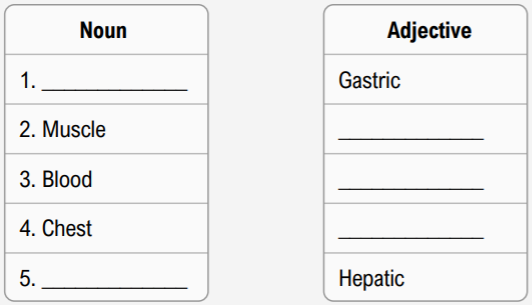
Digestion and nutrient absorption are functions of the digestive system, which includes the stomach, intestines, and liver. Roots like gastro (stomach), entero (intestines), and hepato (liver) are commonly used in medical terminology, such as hepatitis, meaning inflammation of the liver.
The urinary system, comprising kidneys and bladder, is essential for filtration and waste removal. The roots nephro (kidneys) and uro or urinal (urine) are linked to this system, with urology being the study of urinary tract health. Lastly, the reproductive system, including ovaries and testes, is responsible for reproduction. Roots like goneto (female reproductive organs) and prostato (prostate gland) are significant, with prostatitis indicating inflammation of the prostate.
Understanding these organ systems, their associated organs, functions, and related word roots enhances comprehension of human anatomy and physiology. This foundational knowledge supports further exploration of each system’s complexities and medical terminology throughout advanced studies.