
Textbook Question
In Exercises 5–18, solve each system by the substitution method.
774
views

 Verified step by step guidance
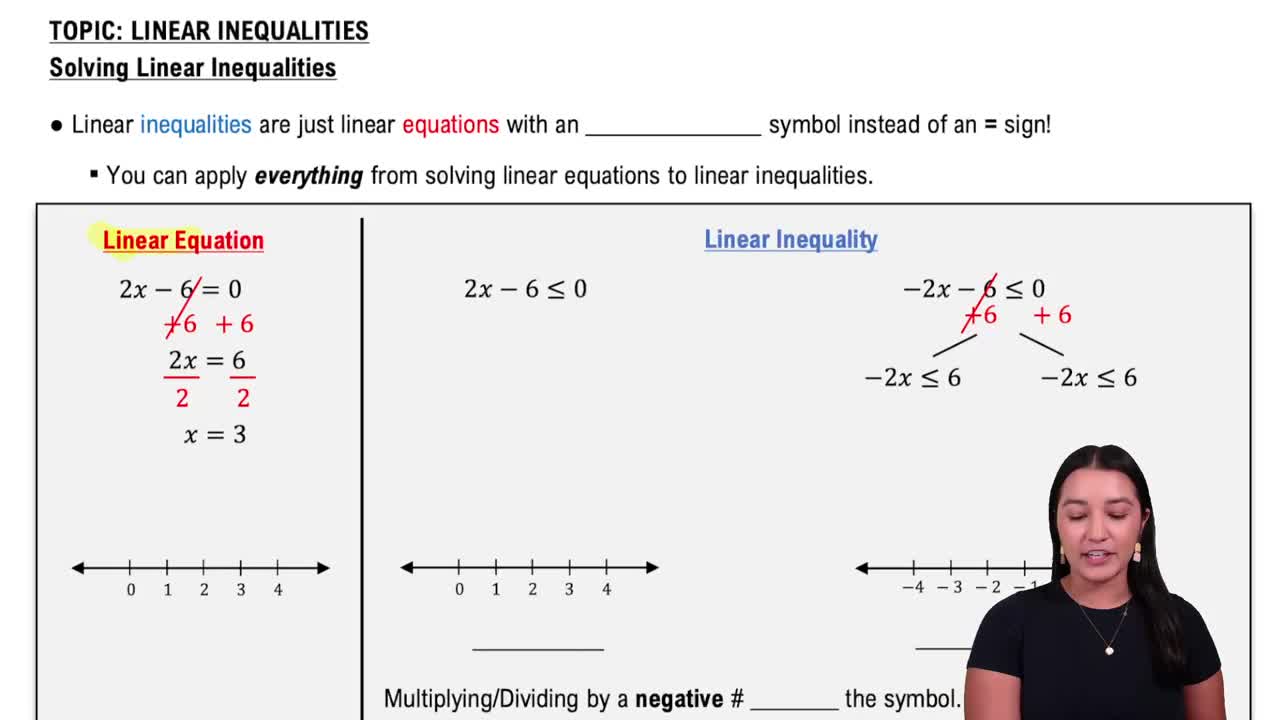
 06:07
06:07
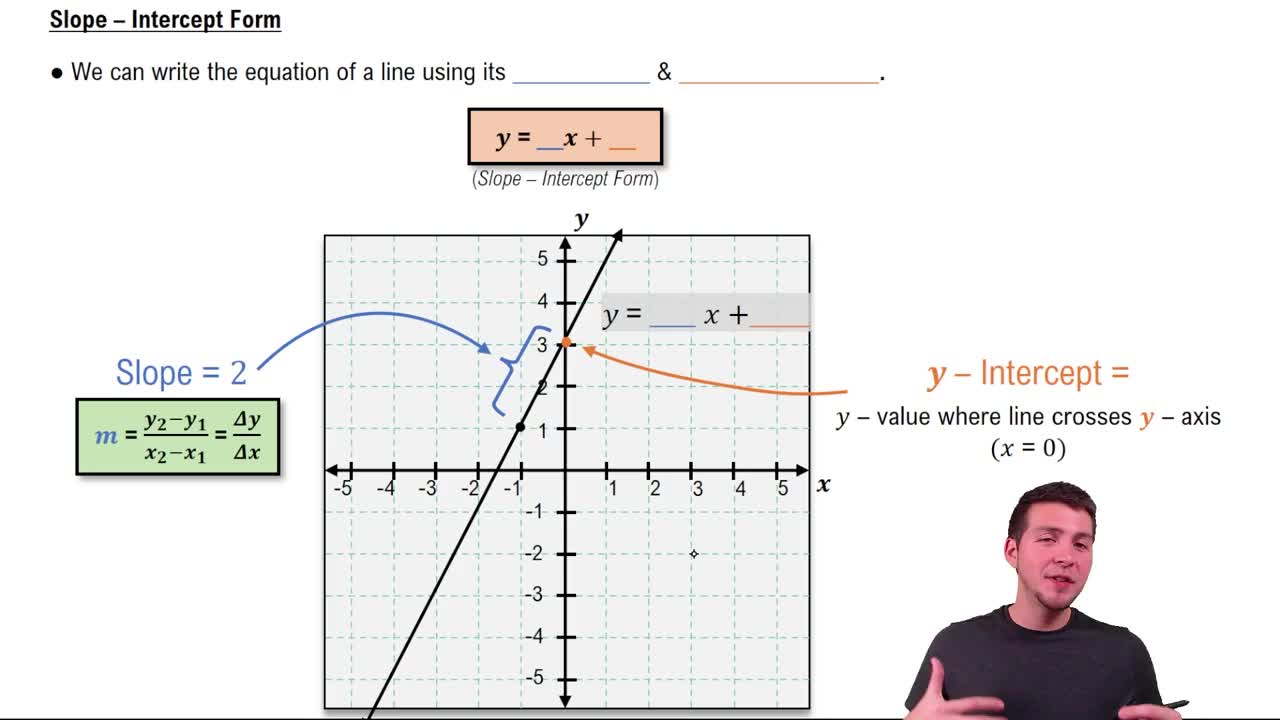 03:56
03:56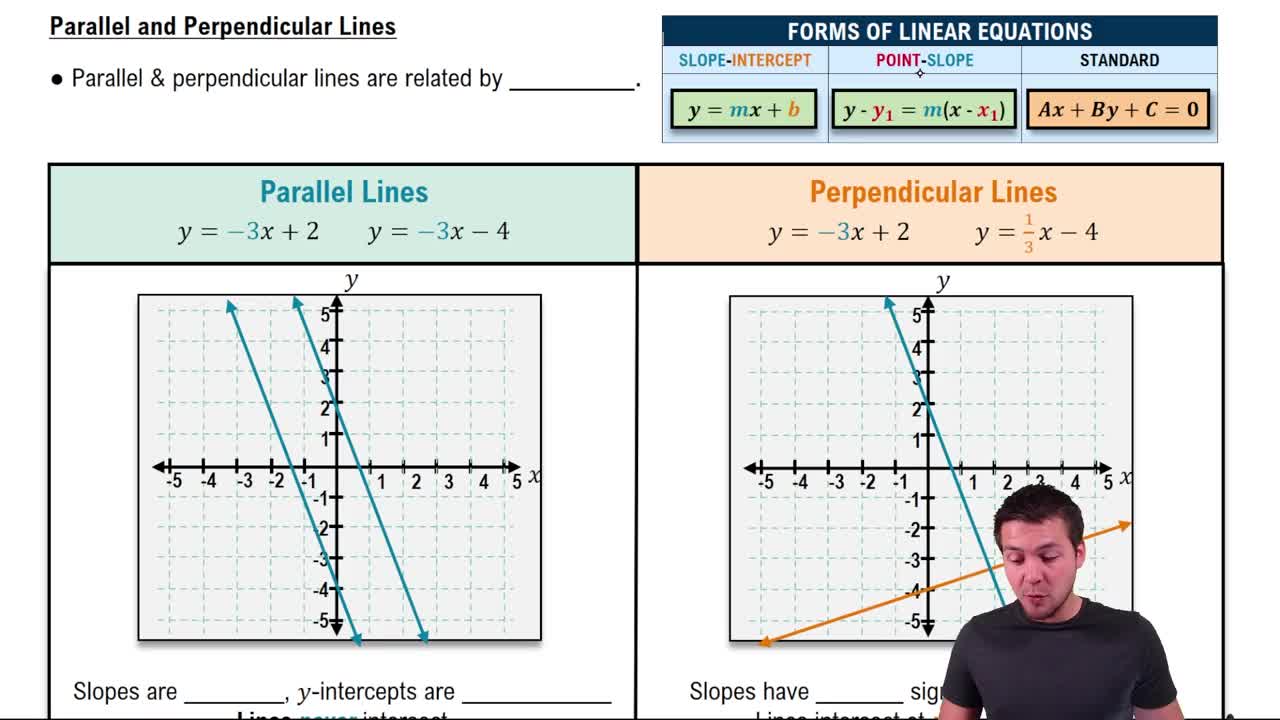 07:52
07:52In Exercises 5–18, solve each system by the substitution method.
An objective function and a system of linear inequalities representing constraints are given. a. Graph the system of inequalities representing the constraints. b. Find the value of the objective function at each corner of the graphed region. c. Use the values in part (b) to determine the maximum value of the objective function and the values of x and y for which the maximum occurs.
Solve each system in Exercises 5–18.
Write the form of the partial fraction decomposition of the rational expression. It is not necessary to solve for the constants.
An objective function and a system of linear inequalities representing constraints are given. a. Graph the system of inequalities representing the constraints. b. Find the value of the objective function at each corner of the graphed region. c. Use the values in part (b) to determine the maximum value of the objective function and the values of x and y for which the maximum occurs.
In Exercises 1–18, solve each system by the substitution method.