Understanding the concept of a one-to-one function builds upon the foundational idea of a function, where each input (x-value) corresponds to at most one output (y-value). A one-to-one function, however, requires a stricter condition: each output must be paired with at most one input. This means no two different inputs share the same output value.
To visualize this, consider a set of ordered pairs representing a function. If any output value repeats for different inputs, the function is not one-to-one. For example, if the output 2 corresponds to both inputs -4 and 1, this violates the one-to-one condition. This can be quickly identified by checking for repeated y-values in the list of ordered pairs or by observing a correspondence diagram where multiple arrows point to the same output.
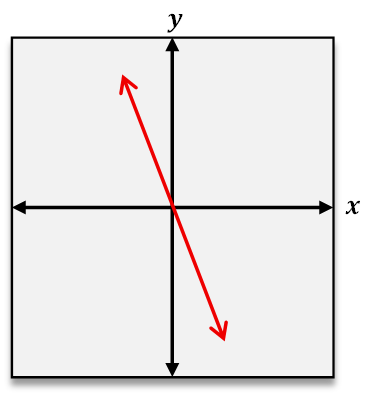
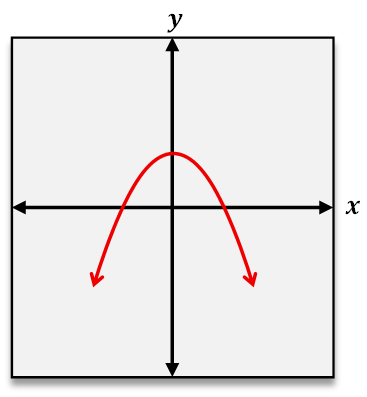
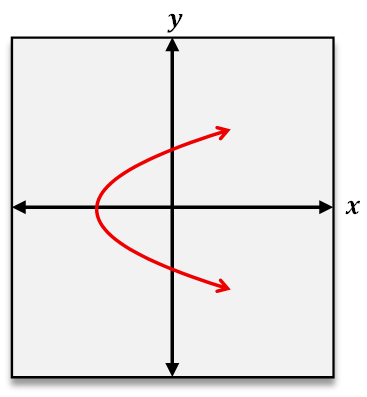
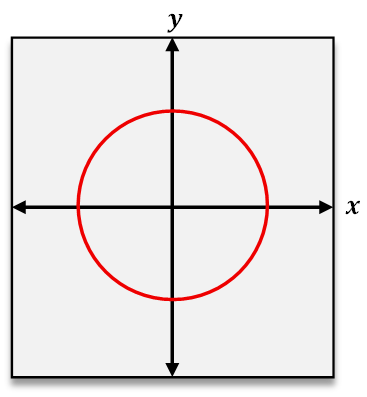
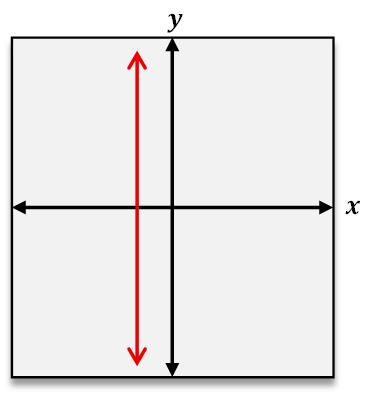
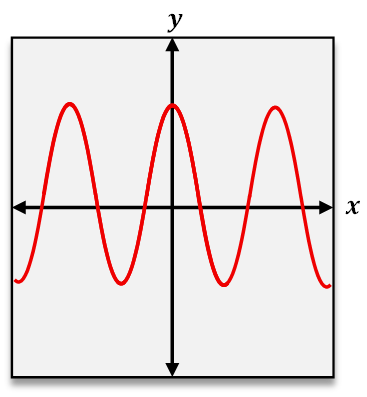
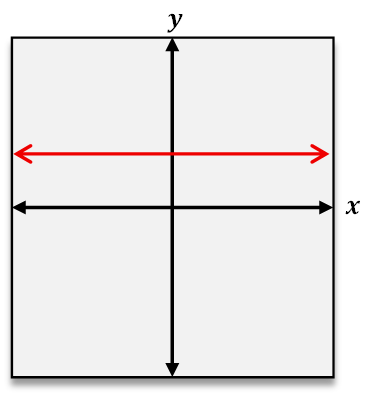
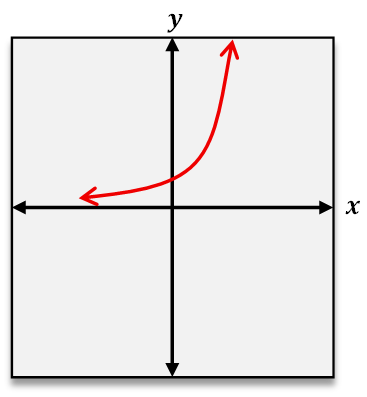
When analyzing functions graphically, the vertical line test helps confirm whether a graph represents a function by ensuring no vertical line intersects the graph at more than one point. To determine if a function is one-to-one, the horizontal line test is used. This test states that if any horizontal line intersects the graph at more than one point, the function is not one-to-one. Passing the horizontal line test confirms that each output corresponds to a unique input, reinforcing the one-to-one nature of the function.
In summary, a one-to-one function is characterized by a unique pairing between inputs and outputs, where no output is shared by multiple inputs. This can be verified through ordered pairs by checking for repeated outputs, through correspondence diagrams by observing arrow mappings, or through graphs by applying the horizontal line test. Recognizing one-to-one functions is essential for understanding inverse functions and many other advanced mathematical concepts.