Understanding how our bodies utilize energy during exercise is crucial for optimizing performance. The primary energy currency in our cells is adenosine triphosphate (ATP), a molecule composed of an adenosine unit bonded to three phosphate groups. When ATP is broken down by cleaving off one phosphate group, it transforms into adenosine diphosphate (ADP) and releases energy, which is essential for various biological processes, including muscle contractions necessary for physical activity.
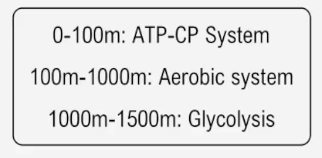
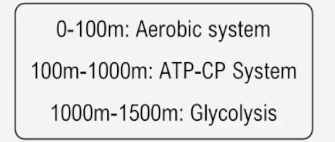
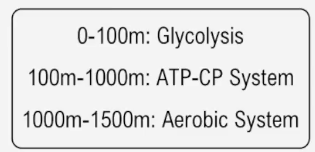
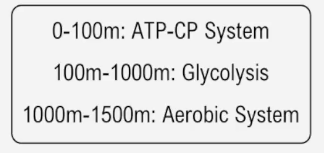
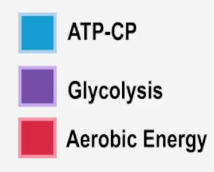
Different types of exercises, characterized by varying durations and intensities, engage distinct ATP-generating energy systems. These systems are differentiated by their rates of ATP production and the total amount of ATP they can produce. Understanding these energy systems is vital for tailoring exercise regimens to meet specific performance goals. In subsequent discussions, we will delve deeper into these ATP-generating systems, exploring their mechanisms and applications in exercise physiology.