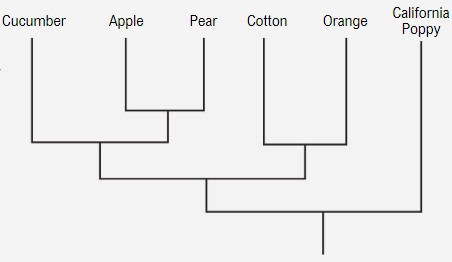
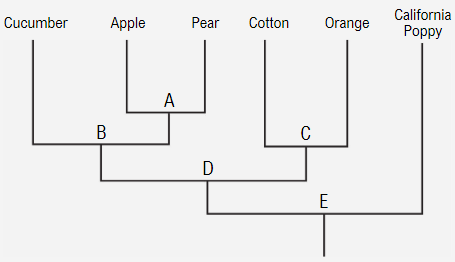
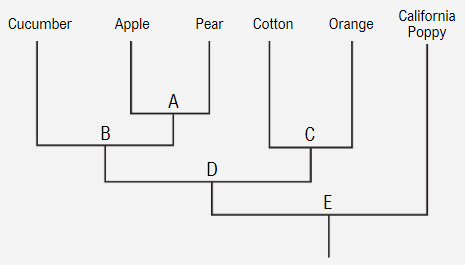
Evolution is a fundamental concept in biology that describes the gradual change of a population over time. This process can be summarized by the phrase "descent with modification," coined by Charles Darwin, which emphasizes that as offspring are produced, they inherit traits from their ancestors, and these traits can change over generations. This leads to the idea of common descent, where species today share common ancestors, illustrated by evolutionary trees that depict relationships among organisms, such as the big cats in the genus Panthera.
Natural selection serves as the primary mechanism driving evolution. It can be simply defined as the process by which traits that enhance an individual's ability to survive and reproduce become more prevalent in a population. This concept is often encapsulated in the phrase "survival of the fittest," which, while popularized during Darwin's time, requires clarification. In this context, "fitness" refers not to physical strength but to an organism's ability to produce offspring that survive to the next generation. Thus, an organism that is considered "fit" is one that successfully contributes to the gene pool of future generations.
Natural selection leads to adaptations, which are traits that enhance an organism's suitability to its environment. These adaptations arise because individuals with advantageous traits are more likely to survive and reproduce, thereby passing those traits on to their offspring. This ongoing process explains why organisms are often well-suited to their environments, as they have evolved through natural selection to thrive in specific conditions.
In summary, understanding evolution and natural selection provides insight into the dynamic processes that shape the diversity of life on Earth, illustrating how species adapt and change over time through mechanisms that favor survival and reproduction.