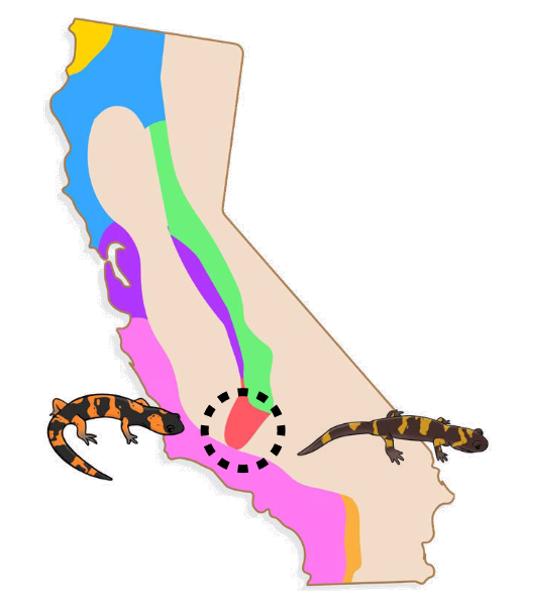
In the study of biology, defining a species can vary based on the context, leading to the development of different species concepts. Among these, the biological species concept is the most widely recognized and utilized. This concept defines species based on their reproductive isolation, which is the existence of barriers that prevent gene flow between different species. Gene flow typically makes populations more similar, so to classify organisms as distinct species, it is essential to block this flow.
The biological species concept employs a two-part test to determine if populations are separate species. The first part assesses whether the species can interbreed in nature. If two populations do not have the potential to mate, they are considered different species. For instance, humans and chimpanzees, despite being closely related, do not interbreed, demonstrating their reproductive isolation.
The second part of the test comes into play if species attempt to mate. In this case, they must not produce viable or fertile offspring. Viable offspring can survive, while fertile offspring can reproduce. A classic example is the mating of horses (Equus ferus caballus) and donkeys (Equus africanus asinus), which results in mules. Mules are viable but sterile, meaning they cannot reproduce, thus preventing gene flow between horses and donkeys and confirming their status as separate species.
Reproductive isolation is not only a criterion for defining species but also a crucial factor in the process of speciation—the evolution of new species. Speciation begins when populations become reproductively isolated, and this isolation serves as the test for distinguishing different species under the biological species concept. Understanding reproductive isolation is fundamental to grasping how species evolve and diverge over time.