In biology, understanding the relationships among groups of organisms is essential, and this is often represented through a phylogenetic tree. Key terms that describe these relationships include monophyletic, paraphyletic, and polyphyletic groups, which are crucial for classifying organisms based on their common ancestry, a practice known as cladistics.
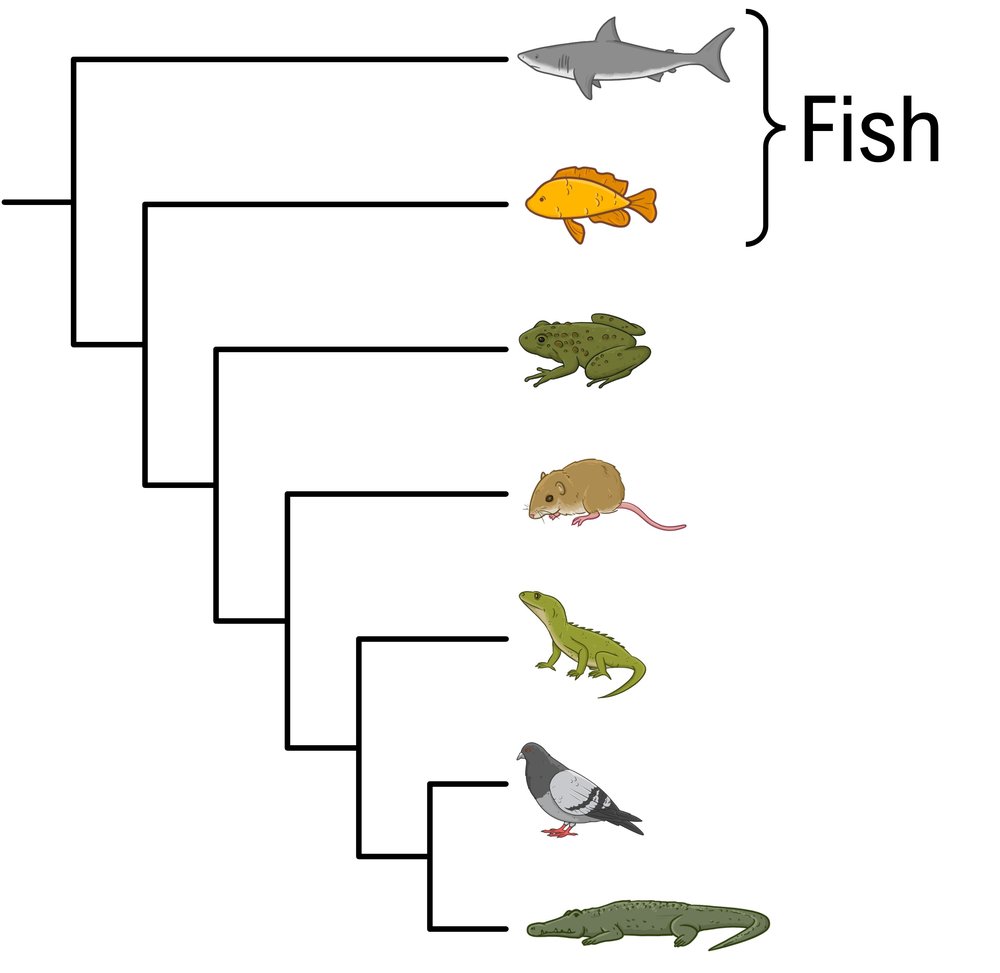
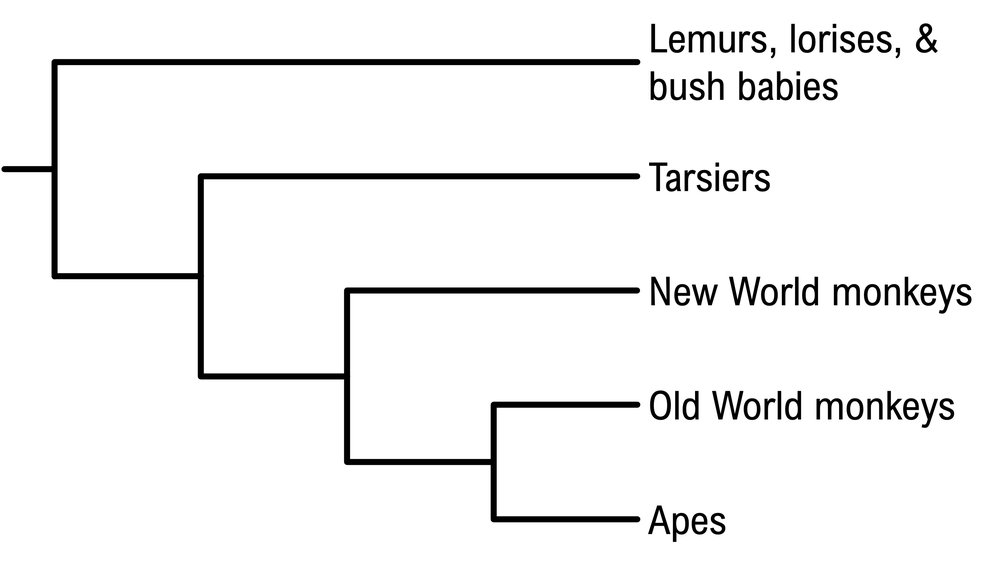
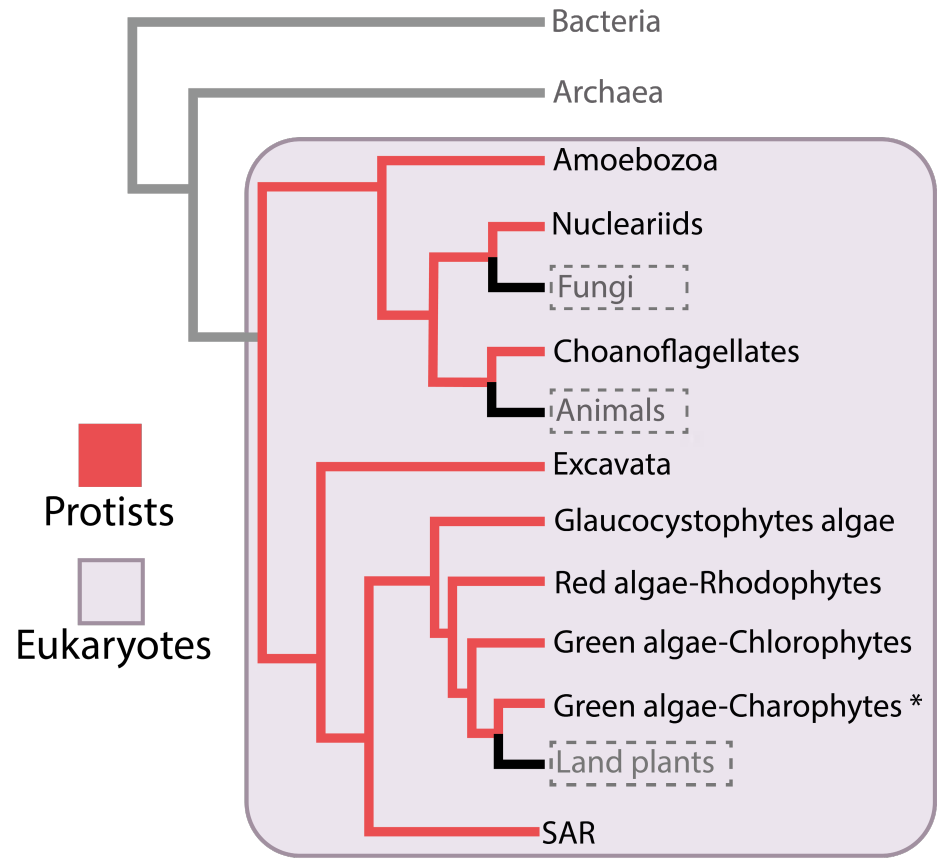
A monophyletic group is defined as a clade, which includes an ancestor and all of its descendants. The prefix "mono" means one, and "phyletic" relates to a tribe or group, indicating that this group is a single, cohesive unit. For example, the group known as sauropsida encompasses turtles, lizards, birds, and crocodiles, all of which share a common ancestor. When visualizing this on a phylogenetic tree, a monophyletic group can be identified by drawing a circle that intersects the tree only once, encompassing the common ancestor and all its descendants.
In contrast, a paraphyletic group includes a common ancestor but only some of its descendants. The prefix "para" means beside or alongside, indicating that this group is incomplete. For instance, the group of reptiles includes turtles, lizards, and crocodiles but excludes birds. When circled on a phylogenetic tree, a paraphyletic group requires crossing another branch to exclude certain descendants, highlighting that while the common ancestor is included, not all descendants are.
Lastly, a polyphyletic group consists of organisms that do not share a common ancestor within the group. The prefix "poly" means many, suggesting that this grouping is based on traits that evolved independently, known as analogous traits. An example of a polyphyletic group could be swimming reptiles, which might include turtles and crocodiles but exclude their common ancestor. When circled on a phylogenetic tree, this group does not encompass the common ancestor, indicating that the traits shared among the members of this group are not derived from a shared lineage.
In modern systematics, it is important to use only monophyletic groups for classification, as they accurately reflect evolutionary relationships. Understanding these distinctions helps clarify the evolutionary history and relationships among different organisms, providing a framework for biological classification.