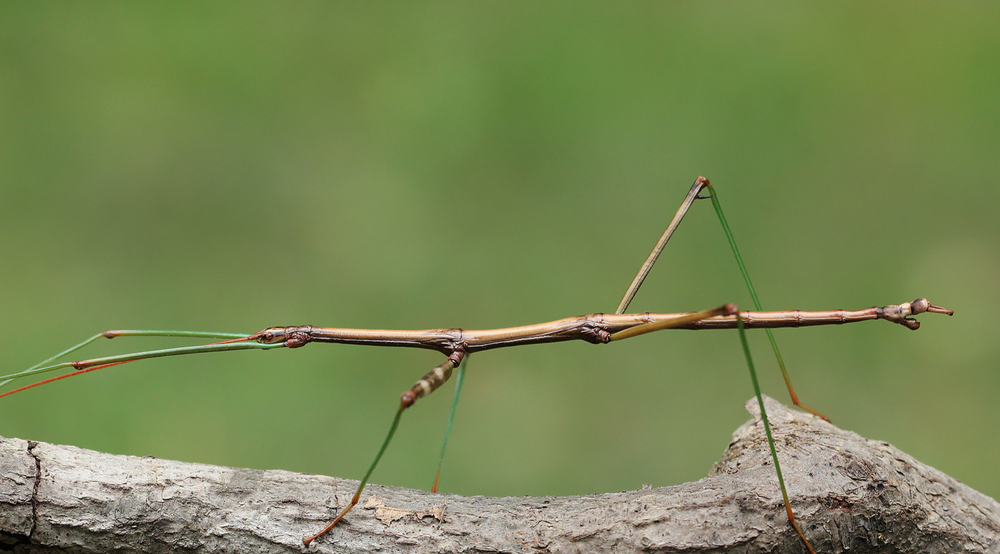
Exploitation, also known as consumption, is a type of community interaction where one organism benefits while the other is harmed, creating a plus-minus relationship. This interaction can manifest in three primary forms: predation, herbivory, and parasitism. Each of these forms plays a crucial role in ecological dynamics and influences population control, species interactions, and community structure.
Predation involves one organism, the predator, hunting and consuming another organism, the prey. This relationship is vital for maintaining the balance of ecosystems, as it regulates prey populations and promotes biodiversity.
Herbivory refers to the consumption of plants by herbivores. This interaction can significantly impact plant communities and their growth, influencing the distribution and abundance of plant species within an ecosystem.
Parasitism occurs when a parasite benefits at the expense of its host, often causing harm or disease. This relationship can affect host population dynamics and has implications for health and disease management in wildlife and human populations.
Understanding these forms of exploitation is essential for studying ecological relationships and the overall functioning of ecosystems.