Why is oral rehydration therapy with a solution of sodium chloride and glucose an effective treatment for dehydration? a. The sodium and glucose decrease urine output. b. The sodium and glucose facilitate water absorption by the small intestine. c. The sodium and glucose help kill intestinal bacteria. d. The sodium and glucose make the person thirsty.
Verified step by step guidance
1
Understand the purpose of oral rehydration therapy (ORT): ORT is used to treat dehydration, especially due to diarrhea, by replenishing lost fluids and electrolytes.
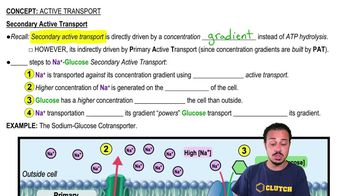
Recognize the role of sodium and glucose in ORT: Sodium and glucose are key components because they facilitate the absorption of water in the small intestine.
Explore the mechanism of absorption: Sodium and glucose are absorbed together through a co-transport mechanism in the intestinal cells, which also pulls water into the cells due to osmotic balance.
Consider the physiological effect: By enhancing water absorption, sodium and glucose help restore hydration levels in the body, making ORT effective.
Evaluate the options: Based on the understanding of ORT, identify that option b, 'The sodium and glucose facilitate water absorption by the small intestine,' correctly describes why ORT is effective.
Verified video answer for a similar problem:
This video solution was recommended by our tutors as helpful for the problem above
Video duration:
31s
Play a video:
Was this helpful?
Key Concepts
Here are the essential concepts you must grasp in order to answer the question correctly.
Dehydration
Dehydration occurs when the body loses more fluids than it takes in, leading to a deficiency of water and electrolytes. It can result from various causes, including diarrhea, vomiting, or excessive sweating. Symptoms include dry mouth, fatigue, and decreased urine output. Effective treatment involves replenishing lost fluids and electrolytes to restore balance.
Oral Rehydration Therapy is a simple, cost-effective treatment for dehydration, especially due to diarrhea. It involves drinking a solution containing water, sodium chloride (salt), and glucose. This combination helps replenish lost fluids and electrolytes, facilitating absorption in the small intestine and restoring hydration levels efficiently.
Sodium and Glucose Co-transport
Sodium and glucose co-transport is a mechanism in the small intestine where sodium and glucose are absorbed together. The presence of glucose enhances sodium absorption, which in turn promotes water uptake due to osmotic balance. This process is crucial in ORT, as it allows rapid rehydration by efficiently absorbing water and electrolytes into the bloodstream.


 0:31 minutes
 Verified step by step guidance
 04:19
04:19