Textbook Question
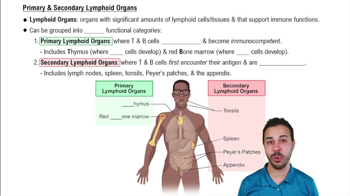
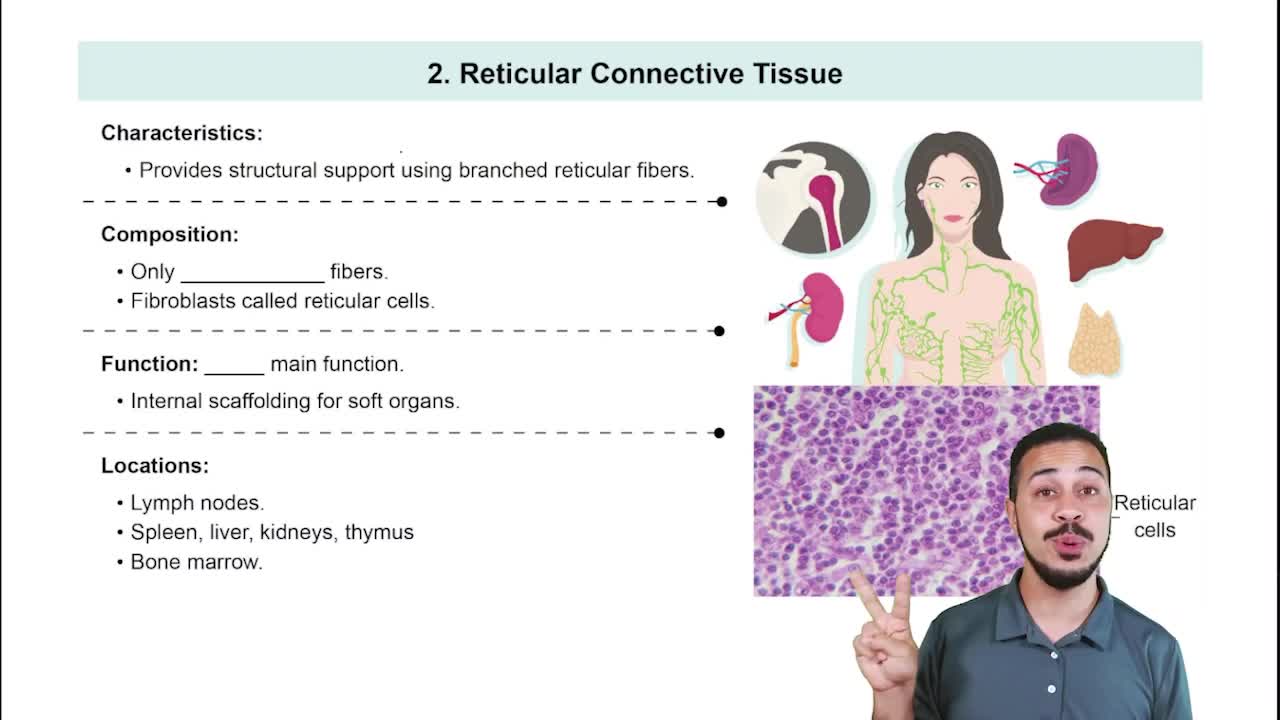
The germinal centers in lymph nodes are largely sites of:
a. Macrophages
b. Proliferating B lymphocytes
c. T lymphocytes
d. All of these
1258
views
1
rank

 Marieb, Hoehn 7th EditionCh. 20 The Lymphatic System and Lymphoid Organs and TissuesProblem 4
 Verified step by step guidance
 4:34
4:34
 04:52
04:52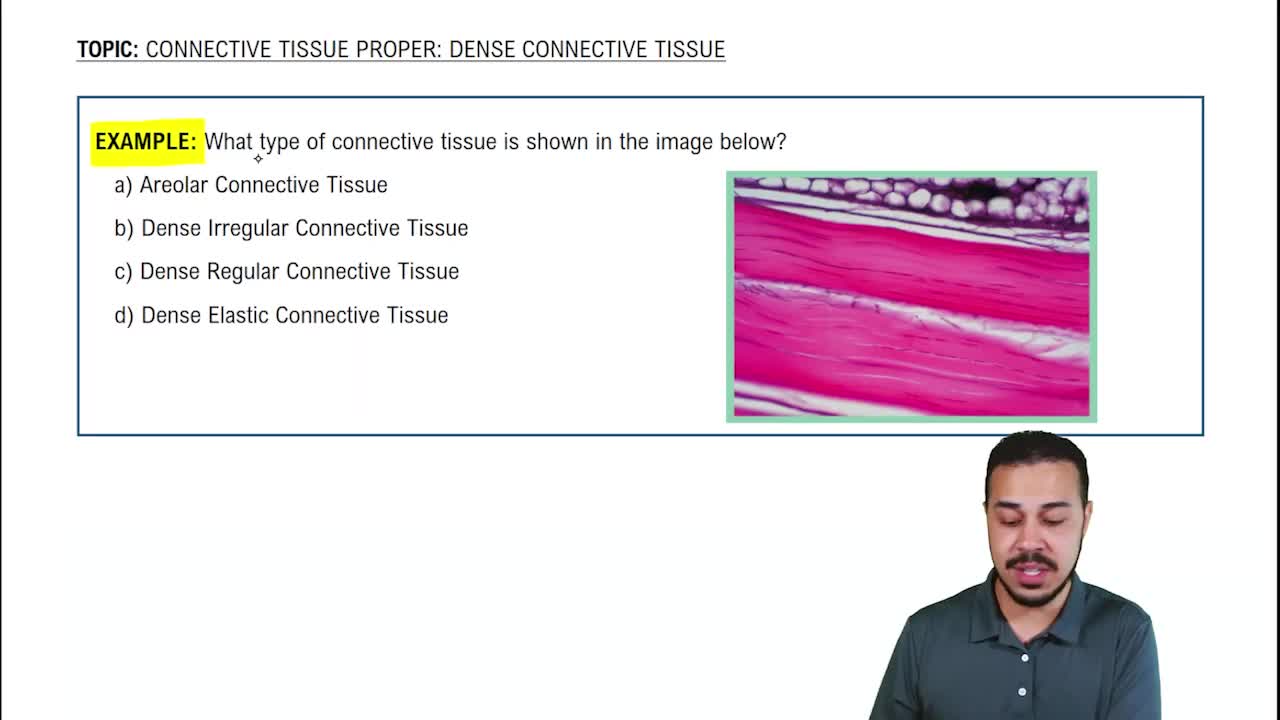 01:49
01:49The germinal centers in lymph nodes are largely sites of:
a. Macrophages
b. Proliferating B lymphocytes
c. T lymphocytes
d. All of these
Entry of lymph into the lymphatic capillaries is promoted by which of the following?
a. One-way minivalves formed by overlapping endothelial cells
b. The respiratory pump
c. The skeletal muscle pump
d. Greater fluid pressure in the interstitial space
Lymphatic vessels:
a. Serve as sites for immune surveillance
b. Filter lymph
c. Transport leaked plasma proteins and fluids to the cardiovascular system
d. Are represented by vessels that resemble arteries, capillaries, and veins
Lymph nodes are densely clustered in all of the following body areas except:
a. Brain
b. The axillae
c. The groin
d. The cervical region
The sac that often forms the initial portion of the thoracic duct is:
a. Lacteal
b. Right lymphatic duct
c. Cisterna chyli
d. Lymph sac
The red pulp areas of the spleen are sites of:
a. Splenic sinusoids, macrophages, and red blood cells
b. Clustered lymphocytes
c. Connective tissue septa