Micronutrients .
a. include vitamins and carbohydrates;
b. are not metabolized to produce energy;
c. contain more energy than fatty acids;
d. can be synthesized by most cells
Verified step by step guidance
1
Identify the definition of micronutrients in the context of nutrition.
Understand that micronutrients are essential nutrients required in small amounts for various physiological functions.
Recognize that micronutrients include vitamins and minerals, not carbohydrates.
Acknowledge that micronutrients are not metabolized to produce energy, unlike macronutrients such as carbohydrates, proteins, and fats.
Conclude that micronutrients do not contain more energy than fatty acids and cannot be synthesized by most cells, as they must be obtained from the diet.
Verified video answer for a similar problem:
This video solution was recommended by our tutors as helpful for the problem above.
Video duration:
1m
Play a video:
0 Comments
Key Concepts
Here are the essential concepts you must grasp in order to answer the question correctly.
Micronutrients
Micronutrients are essential nutrients required by the body in small amounts for various physiological functions. They include vitamins and minerals, which play critical roles in processes such as immune function, bone health, and energy production. Unlike macronutrients, which provide energy, micronutrients do not directly contribute to caloric intake.
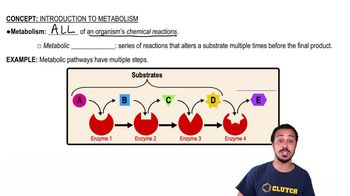
Energy metabolism refers to the biochemical processes that convert nutrients into energy within the body. While macronutrients like carbohydrates, proteins, and fats are metabolized to produce energy, micronutrients do not provide energy themselves but are crucial for the enzymatic reactions that facilitate energy production from macronutrients.
The synthesis of nutrients involves the body's ability to produce certain compounds from simpler substances. While some cells can synthesize specific vitamins, most vitamins must be obtained through diet, as the human body cannot produce them in sufficient quantities. This highlights the importance of dietary intake of micronutrients for maintaining health.

 1:44 minutes
 Verified step by step guidance
 5:16
5:16