Proteins may function as .a. genetic material;b. cholesterol molecules;c. fat reserves;d. enzymes;e. all of the above
Verified step by step guidance
1
Identify the primary functions of proteins in the body.
Consider the role of proteins in genetic material and if they serve as the main component.
Evaluate whether proteins function as cholesterol molecules or are involved in their synthesis.
Assess if proteins serve as fat reserves or are involved in other storage forms in the body.
Analyze the role of proteins as enzymes, focusing on their function in catalyzing biochemical reactions.
Was this helpful?
Key Concepts
Here are the essential concepts you must grasp in order to answer the question correctly.
Protein Functions
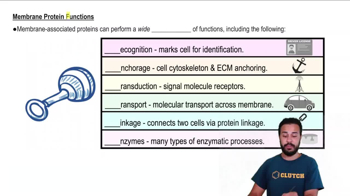
Proteins serve a variety of essential functions in biological systems. They act as enzymes to catalyze biochemical reactions, provide structural support in cells and tissues, and play roles in transport and signaling. Understanding these diverse functions is crucial for grasping the importance of proteins in living organisms.
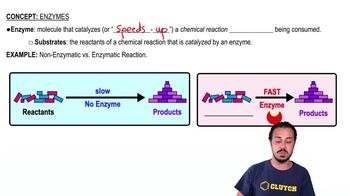
Enzymes are specialized proteins that accelerate chemical reactions in the body. They lower the activation energy required for reactions, making processes like digestion and metabolism more efficient. Recognizing the role of enzymes is vital for understanding how proteins contribute to physiological functions.
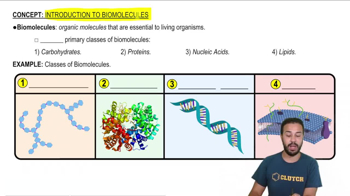
Biomolecules, including proteins, nucleic acids, lipids, and carbohydrates, are the building blocks of life. Each type of biomolecule has distinct roles; for instance, while proteins perform various functions, nucleic acids store genetic information. This context helps clarify why proteins cannot serve as genetic material or fat reserves.