Ch. 2 Basic Chemistry
Marieb - Essentials of Human Anatomy & Physiology 13th Edition
Marieb13th EditionEssentials of Human Anatomy & PhysiologyISBN: 9780135624340Not the one you use?Change textbook
Chapter 2, Problem 9

The element(s) essential for normal thyroid function is/are:
a. Iodine
b. Iron
c. Copper
d. Selenium
e. Zinc

Verified step by step guidance
1
Step 1: Understand the role of the thyroid gland in the body. The thyroid gland is responsible for producing hormones such as thyroxine (T4) and triiodothyronine (T3), which regulate metabolism, growth, and development.
Step 2: Learn about the element iodine. Iodine is a critical component of thyroid hormones (T3 and T4). Without sufficient iodine, the thyroid cannot synthesize these hormones, leading to conditions such as hypothyroidism or goiter.
Step 3: Explore the role of selenium in thyroid function. Selenium is essential for the activity of enzymes called deiodinases, which convert T4 into the active hormone T3. Selenium also protects the thyroid gland from oxidative damage.
Step 4: Review the roles of iron, copper, and zinc. While these elements are important for overall health and enzymatic functions, they are not directly involved in the synthesis or activation of thyroid hormones. However, deficiencies in these elements can indirectly affect thyroid function.
Step 5: Conclude that iodine and selenium are the elements most directly essential for normal thyroid function, based on their specific roles in hormone synthesis and activation.

Verified video answer for a similar problem:

This video solution was recommended by our tutors as helpful for the problem above.
Video duration:
1m
Was this helpful?

Key Concepts

Here are the essential concepts you must grasp in order to answer the question correctly.

Thyroid Function

Thyroid function refers to the production and regulation of hormones by the thyroid gland, primarily thyroxine (T4) and triiodothyronine (T3). These hormones are crucial for regulating metabolism, growth, and development in the body. Proper thyroid function is essential for maintaining energy levels and overall health.
Recommended video:
06:04
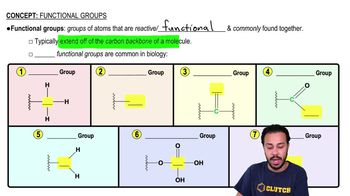
Functional Groups

Iodine

Iodine is a trace element that is vital for the synthesis of thyroid hormones. The thyroid gland absorbs iodine from the bloodstream, and without adequate iodine intake, the body cannot produce sufficient amounts of T3 and T4, leading to conditions such as goiter and hypothyroidism. Iodine deficiency remains a significant public health issue in many parts of the world.
Recommended video:
Guided course
13:06
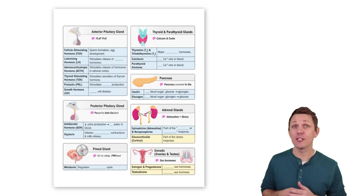
Review of Major Hormones

Trace Elements in Thyroid Health

Trace elements like selenium, zinc, and iron play supportive roles in thyroid health. Selenium is important for the conversion of T4 to the more active T3 hormone, while zinc is involved in hormone synthesis and regulation. Iron is crucial for overall metabolic processes, but iodine is the primary element directly required for thyroid hormone production.
Recommended video:
03:36
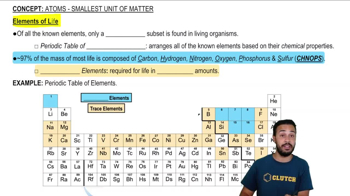
Elements of Life