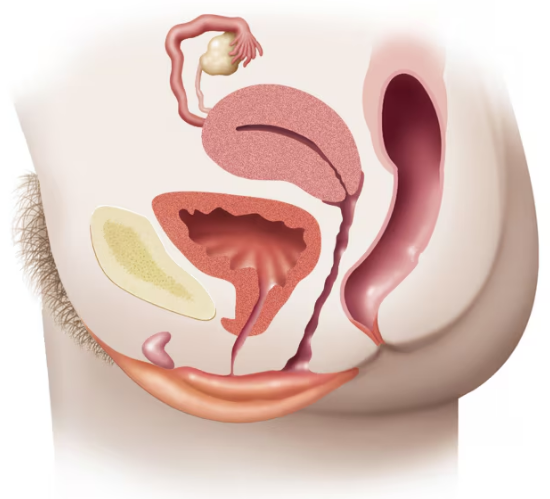
DRAW IT Diagram the pathway taken by E. coli to cause cystitis. Do the same for pyelonephritis. Diagram the pathway taken by N. gonorrhoeae to cause PID. <IMAGE>
Verified step by step guidance
1
Step 1: Understand the Pathogens Involved: E. coli is a common bacterium found in the intestines, while N. gonorrhoeae is a bacterium responsible for the sexually transmitted infection gonorrhea.
Step 2: Diagram the Pathway for E. coli Causing Cystitis: E. coli typically travels from the intestinal tract to the urethra, then ascends into the bladder, causing inflammation and infection known as cystitis.
Step 3: Diagram the Pathway for E. coli Causing Pyelonephritis: From the bladder, E. coli can ascend further into the ureters and reach the kidneys, leading to a more severe infection called pyelonephritis.
Step 4: Diagram the Pathway for N. gonorrhoeae Causing PID: N. gonorrhoeae infects the mucous membranes of the genital tract, then ascends through the cervix into the uterus, and can spread to the fallopian tubes and ovaries, causing pelvic inflammatory disease (PID).
Step 5: Visualize the Pathways: Create diagrams for each pathway, showing the progression of the bacteria from the initial site of infection to the final site of disease manifestation.
Verified video answer for a similar problem:
This video solution was recommended by our tutors as helpful for the problem above
Video duration:
1m
Play a video:
Was this helpful?
Key Concepts
Here are the essential concepts you must grasp in order to answer the question correctly.
Pathogenesis of E. coli in Urinary Tract Infections
E. coli is a common pathogen responsible for urinary tract infections (UTIs), including cystitis and pyelonephritis. The pathway typically begins with the bacteria adhering to the uroepithelial cells of the bladder using fimbriae. If the infection ascends to the kidneys, it can lead to pyelonephritis, characterized by inflammation and potential kidney damage.
N. gonorrhoeae and Pelvic Inflammatory Disease (PID)
N. gonorrhoeae is a sexually transmitted bacterium that can ascend from the cervix to the upper reproductive tract, causing pelvic inflammatory disease (PID). The infection can lead to inflammation of the uterus, fallopian tubes, and surrounding tissues, resulting in severe complications such as infertility or ectopic pregnancy if not treated promptly.
Understanding the pathways of infection involves recognizing how pathogens enter the host, evade the immune response, and cause disease. In both E. coli and N. gonorrhoeae infections, the host's immune response plays a crucial role in determining the severity of the disease and the effectiveness of treatment. Diagramming these pathways helps visualize the interactions between the pathogens and the host's defenses.