
Textbook Question
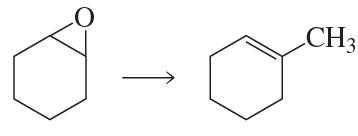
Using the given starting material, any necessary inorganic reagents and catalysts, and any carbon-containing compounds with no more than three carbons, indicate how each of the following compounds can be prepared:
d.
1255
views

 Verified step by step guidance
 01:40
01:40
 06:23
06:23 2:10
2:10Using the given starting material, any necessary inorganic reagents and catalysts, and any carbon-containing compounds with no more than three carbons, indicate how each of the following compounds can be prepared:
d.
Using the given starting material, any necessary inorganic reagents and catalysts, and any carbon-containing compounds with no more than three carbons, indicate how each of the following compounds can be prepared:
c.
Using the given starting material, any necessary inorganic reagents and catalysts, and any carbon-containing compounds with no more than three carbons, indicate how each of the following compounds can be prepared:
b.
Using the given starting material, any necessary inorganic reagents and catalysts, and any carbon-containing compounds with no more than three carbons, indicate how each of the following compounds can be prepared:
f.
What alkyl halide reacts with lithium divinylcuprate [(CH2=CH)2CuLi] for the synthesis of each of the following compounds?
a.
b.
What alkyl halide reacts with lithium divinylcuprate [(CH2=CH)2CuLi] for the synthesis of each of the following compounds?
c.
d.