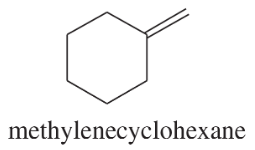
Show how you would synthesize each compound using methylenecyclohexane as your starting material. (d)
Verified step by step guidance
1
Step 1: Begin with methylenecyclohexane as the starting material. This compound contains a double bond, which can be used for functional group transformations.
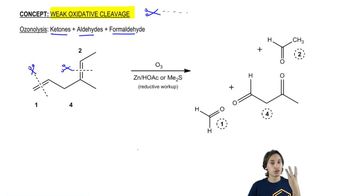
Step 2: Perform an ozonolysis reaction on methylenecyclohexane. Ozonolysis involves the cleavage of the double bond using ozone (O₃), followed by a reductive workup (e.g., using zinc and acetic acid or dimethyl sulfide). This reaction will yield a ketone and/or aldehyde depending on the structure of the alkene.
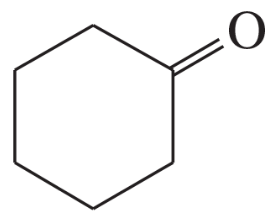
Step 3: In this case, ozonolysis of methylenecyclohexane will produce cyclohexanone. The double bond is cleaved, and the carbon attached to the double bond is oxidized to a ketone functional group.
Step 4: Verify the product structure. Cyclohexanone is a six-membered ring with a ketone group at one of the carbons. Ensure the reaction conditions are optimized to avoid overoxidation or side reactions.
Step 5: Purify the cyclohexanone product using techniques such as distillation or recrystallization, depending on the reaction scale and purity requirements.
Verified video answer for a similar problem:
This video solution was recommended by our tutors as helpful for the problem above
Video duration:
3m
Play a video:
0 Comments
Key Concepts
Here are the essential concepts you must grasp in order to answer the question correctly.
Synthesis of Organic Compounds
The synthesis of organic compounds involves creating complex molecules from simpler ones through various chemical reactions. Understanding the mechanisms of these reactions, such as addition, elimination, and substitution, is crucial for designing synthetic pathways. In this context, starting from methylenecyclohexane, one must consider how to manipulate its double bond and ring structure to form the desired products.
Ozonolysis is a reaction involving the cleavage of alkenes or alkynes using ozone (O3), resulting in the formation of carbonyl compounds such as aldehydes or ketones. This reaction is particularly useful for synthesizing compounds with functional groups from unsaturated hydrocarbons. In the context of the question, ozonolysis can be applied to methylenecyclohexane to generate intermediates that can be further transformed into the target compounds.
Functional group transformation refers to the process of converting one functional group into another through chemical reactions. This concept is essential in organic synthesis as it allows chemists to modify the reactivity and properties of molecules. In synthesizing compounds from methylenecyclohexane, understanding how to effectively change functional groups, such as converting alkenes to carbonyls, is key to achieving the desired structures.