
Textbook Question
Rank each set of compounds in order of increasing basicity.
(b) aniline, p-methylaniline, p-nitroaniline
1645
views

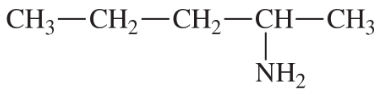
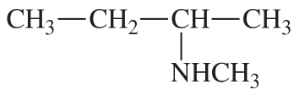
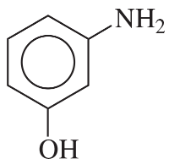
 Verified step by step guidance
 07:12
07:12
 03:43
03:43 02:36
02:36Rank each set of compounds in order of increasing basicity.
(b) aniline, p-methylaniline, p-nitroaniline
Determine which of the heterocyclic amines just shown are aromatic. Give the reasons for your conclusions.
Which of the amines listed next is resolved into enantiomers? In each case, explain why interconversion of the enantiomers does or does not take place.
(a) cis-2-methylcyclohexanamine
(b) N-ethyl-N-methylcyclohexanamine
(c) N-methylaziridine
(d) ethylmethylanilinium iodide
(e) methylethylpropylisopropylammoniumiodide
Draw the structures of the following compounds:
(a) tert-butylamine
(b) α-aminopropionaldehyde
(c) 4-(dimethylamino)pyridine
Draw the structures of the following compounds:
(d) 2-methylaziridine
(e) N-ethyl-N-methylhexan-3-amine
(f) m-chloroaniline
Rank each set of compounds in order of increasing boiling points.
(a) triethylamine, di-n-propylamine, n-propyl ether
(b) ethanol, dimethylamine, dimethyl ether
(c) diethylamine, diisopropylamine, trimethylamine